
Mexican Cheeses: The Essential Cultural Guide to their Flavors
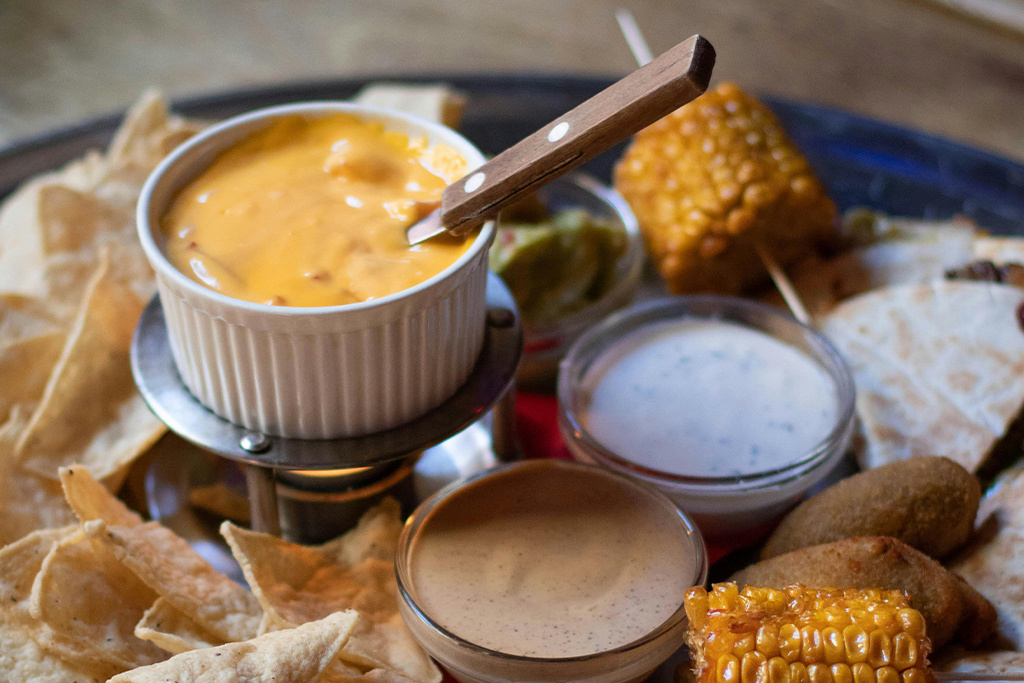

Ask five people what Mexican cheese is, and you’ll probably get five answers.
Someone will say cotija.
Someone will say queso fresco.
Someone will say the stretchy one from quesadillas.
And honestly? They’re all right.
Because Mexican cheese isn’t one single cheese. It’s a whole family of cheeses shaped by regional cooking traditions across Mexico.
Some melt.
Some crumble.
Some quietly sit next to sliced fruit like they belong there—which, culturally speaking, they absolutely do.
Understanding Mexican cheese is less about memorizing definitions and more about recognizing the flavors that show up again and again in everyday cooking.
The Origins of Mexican Cheese
The story of Mexican cheese begins with a cultural meeting.
Spanish colonizers introduced dairy animals and cheese-making techniques to Mexico in the 16th century. Over time, these traditions blended with Indigenous cooking practices and regional ingredients.
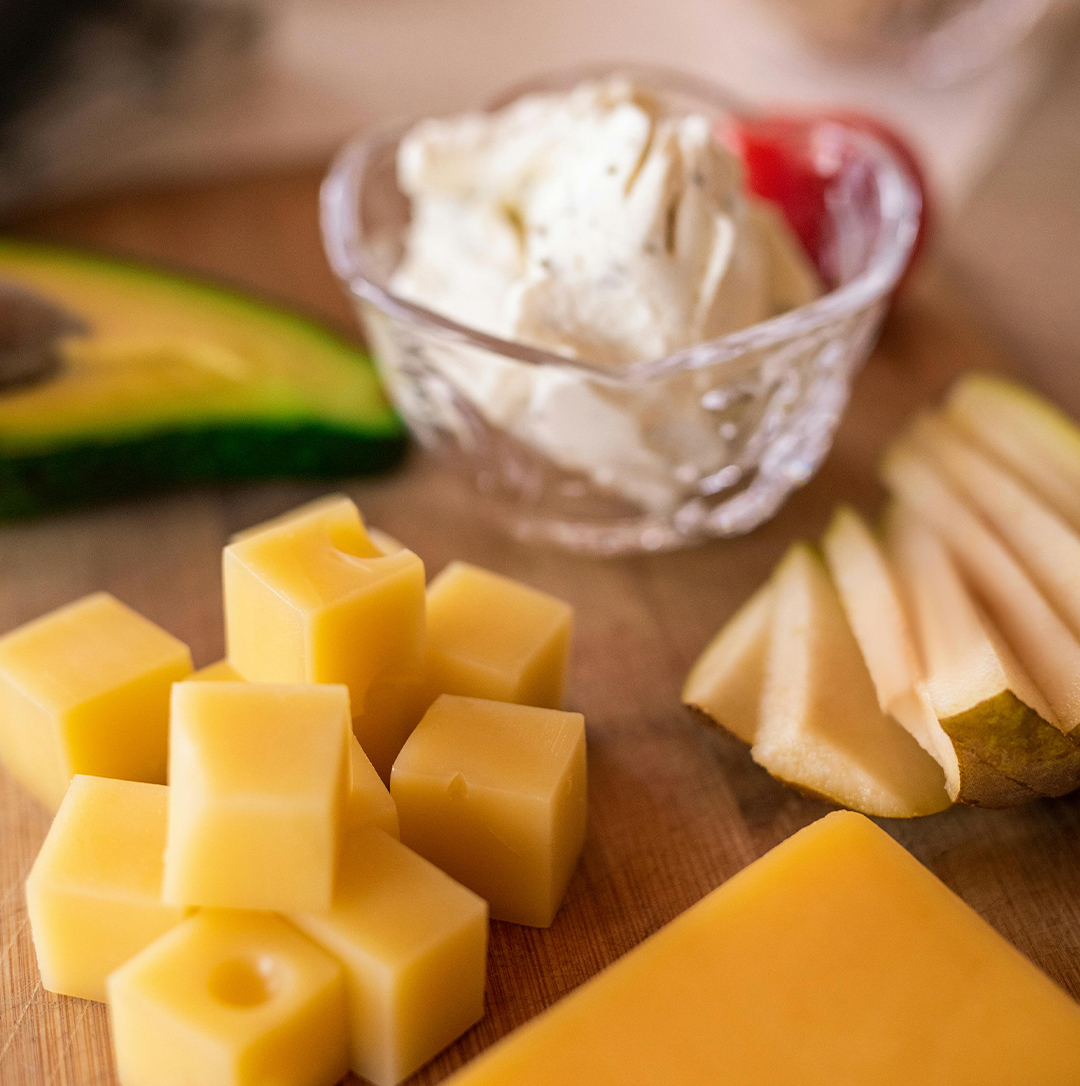
Queso fresco. Picture created with ChatGPT-
The result was a wide variety of Mexican cheese types that evolved differently depending on climate, geography, and local food culture.
Northern regions developed melting cheeses.
Central regions produced crumbly cheeses.
Mountain areas created aged cheeses like Mexican cheese cotija.
Every region contributed something to the larger story of Mexican cheese.
The Main Types of Mexican Cheese
While dozens of regional varieties exist, several Mexican cheese types appear most often in everyday cooking.
Queso Fresco
Fresh, crumbly, mild.
Mexican Cheese Cotija
Salty, aged, bold.
Queso Oaxaca
Stretchy and perfect for melting.
Panela
Firm, grillable, and light.
Asadero
Creamy melting cheese.
These Mexican cheeses show up constantly across dishes like tacos, enchiladas, and grilled corn.
Why Mexican Cheese Matters in the Kitchen
The best way to understand what Mexican cheese is isn’t through a textbook definition.
It’s through the table.
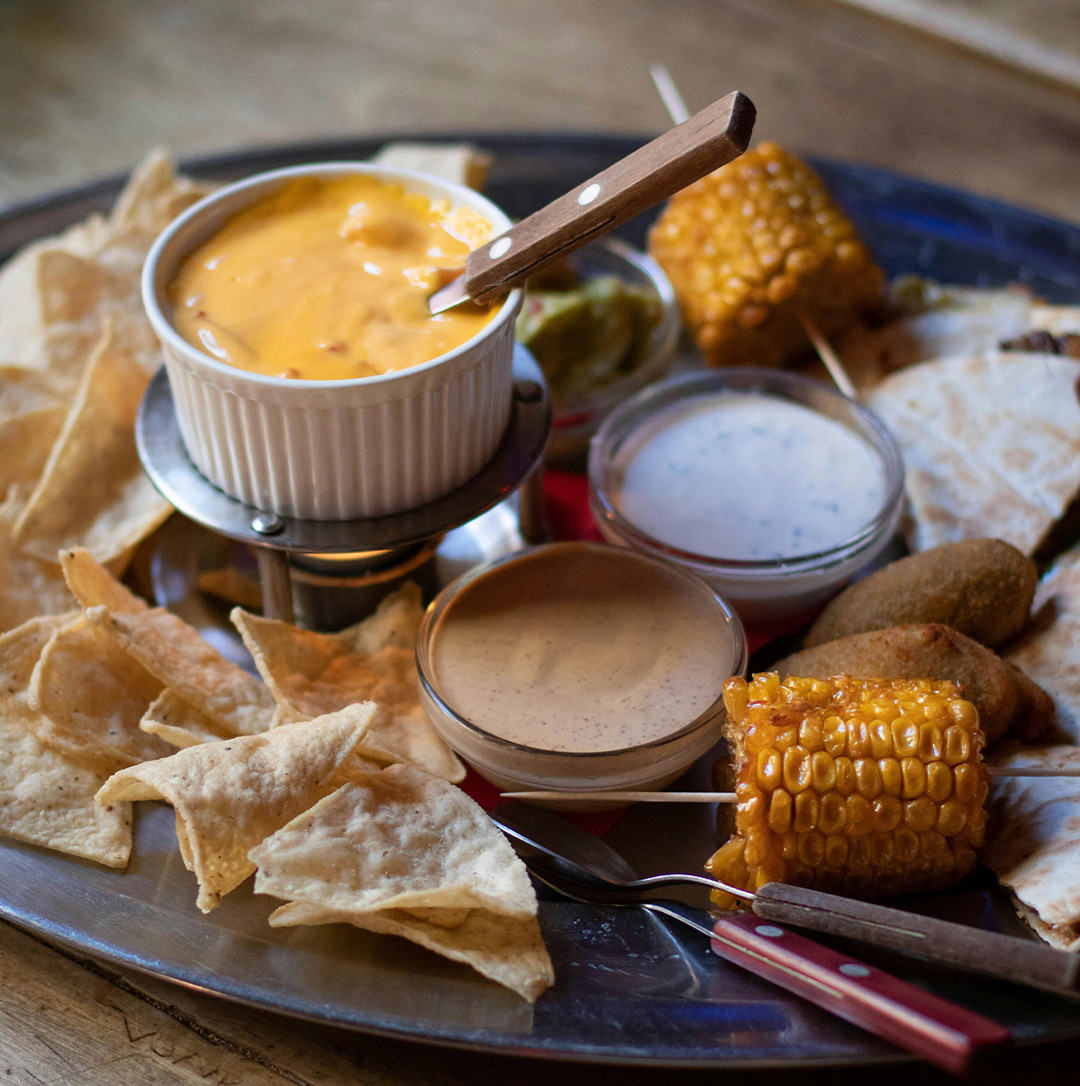
Melted mexican cheese. Picture created with ChatGPT.
A crumble over beans.
A melt inside a tortilla.
A slice next to fruit while someone insists they’re “just having a small snack.”
Mexican cheese doesn’t overpower dishes. It supports them.
It’s the quiet ingredient that turns a good plate into the one people remember.